
1. Urbanization and Housing Demand
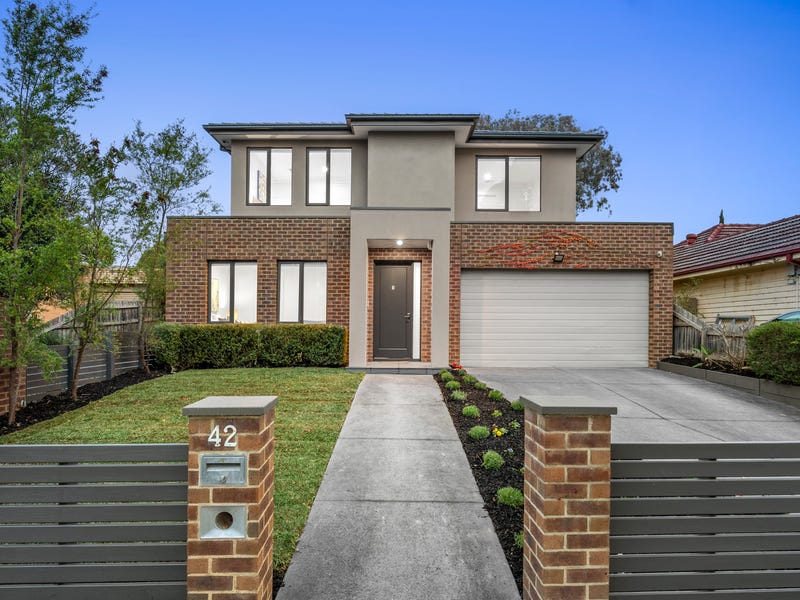
Monrovia's population is rapidly increasing, leading to heightened demand for residential and commercial properties. This urban expansion presents opportunities for developers to cater to the housing needs of a growing middle class and expatriate community.
2. Government Initiatives and Infrastructure Development
The Liberian government is actively promoting real estate growth through various initiatives:
Real Estate Expansion Project: The Liberia Revenue Authority (LRA) has registered over 20,000 properties in Margibi and Grand Bassa counties, enhancing property rights and tax collection .
Monrovia Integrated Development Project (MIDP): This project focuses on upgrading public spaces and community infrastructure, aiming to improve urban living conditions .
3. Investment Opportunities in Emerging Markets
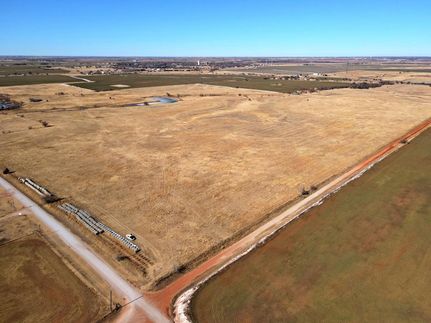
Areas surrounding Monrovia, such as Paynesville and the ELWA community, are witnessing increased development activities. Investors are exploring opportunities in these regions due to their growth potential and relatively lower land costs.
Challenges to Address
1. Environmental Concerns and Flooding
Monrovia faces significant environmental challenges, particularly flooding during the rainy season. This has led to discussions about relocating the capital to mitigate risks .
2. Infrastructure Deficits
Despite ongoing projects, the city still grapples with inadequate infrastructure, including roads, sanitation, and electricity. These deficits can hinder property development and affect investment returns.
Strategies for Liberians to Capitalize on Opportunities
1. Engage in Community-Based Projects
Participating in initiatives like the Urban Fabric Initiative can empower residents to co-design and implement local infrastructure projects, enhancing community development .
2. Invest in Resilient Infrastructure
Developers should prioritize building flood-resistant structures and incorporating sustainable practices to mitigate environmental risks.
3. Leverage Government Programs
By aligning with government initiatives and taking advantage of incentives, local investors can benefit from supportive policies aimed at boosting the real estate sector.
Conclusion
Monrovia's property development sector holds substantial promise for growth and investment. By addressing environmental challenges, improving infrastructure, and engaging in community-driven projects, Liberians can harness the city's potential and contribute to its sustainable development.